If you live in a humid climate, you already know how moisture in the air can affect everything, from wood expansion to window condensation. But one area many homeowners overlook is how humidity affects paint. It’s more than just a nuisance—it can actually compromise the finish, durability, and appearance of your paint job.
Humidity slows down drying time, messes with adhesion, and increases the risk of issues like bubbling, streaking, or even mold growth behind the paint. That’s why it’s so important to plan painting projects strategically, especially in southern or coastal regions where high moisture levels are the norm.
In this post, we’ll walk through five common painting mistakes in humid weather, so you can avoid wasted time, materials, and frustration—and end up with a finish that actually lasts.
Mistake #1: Painting When It’s Too Humid
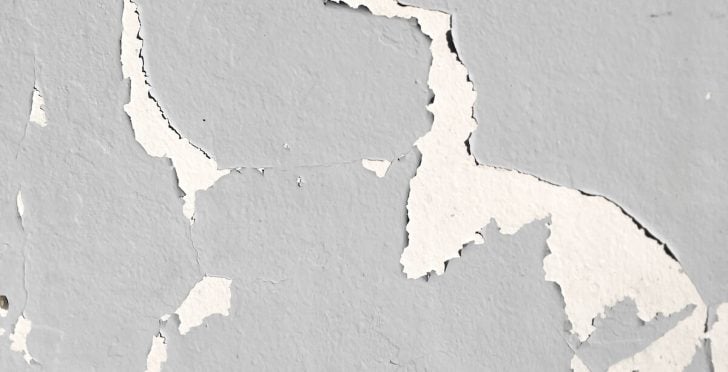
One of the most common—and damaging—mistakes homeowners make is painting when the humidity is too high. Moisture in the air interferes with how paint cures, causing it to dry unevenly or not at all. The result? Tacky surfaces, streaky finishes, and poor adhesion that eventually lead to flaking or peeling.
So what’s considered “too humid”?
Ideally, you want to paint when the relative humidity is below 70%—the lower, the better. Above that, you’re gambling with drying time and finish quality.
Here’s how to work around it:
Check the weather forecast and choose a day with lower humidity.
For indoor projects, use a dehumidifier or air conditioning to bring moisture levels down.
Consider using a digital hygrometer to monitor indoor humidity levels before and during your project.
At PAINT CORPS®, we carefully monitor conditions before starting any job, especially in humid regions. Our team schedules painting during optimal windows to ensure professional, long-lasting results.
Mistake #2: Skipping Surface Prep
In humid climates, paint isn’t the only thing that struggles—your walls and trim are often affected too. Moisture encourages the buildup of mildew, dust, chalky residue, and condensation, especially in areas like bathrooms, kitchens, and basements. If you skip proper cleaning and prep, you’re sealing in that grime beneath the paint.
That leads to a host of issues:
Bubbling or peeling as the paint fails to bond with the surface
Uneven texture or blotchy spots
Mold or mildew growth that breaks through the finish later on
Before painting, follow this prep checklist:
Wipe down walls with a mild detergent and water
Use a mildew-killing cleaner or white vinegar solution in problem areas.
Let surfaces dry completely—no shortcuts.
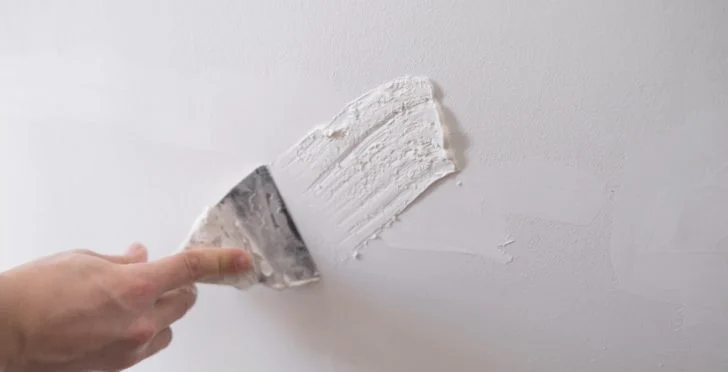
Sand rough patches and remove any old, flaking paint
Apply a mold-resistant primer to prevent moisture issues down the line.
PAINT CORPS® includes thorough prep with every interior and exterior project, especially in areas prone to humidity. It’s not just about paint—it’s about ensuring a strong foundation that keeps your finish intact for years.
Mistake #3: Using the Wrong Paint Formula
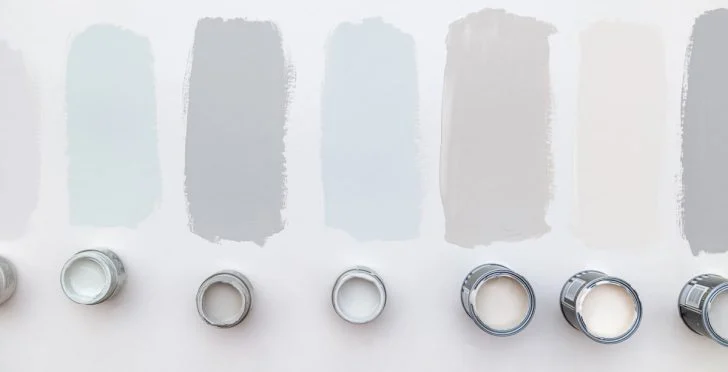
Not all paints are created equal, especially when you’re dealing with high humidity. Using the wrong formula can lead to paint that never fully cures, traps moisture underneath, or becomes a breeding ground for mold and mildew. That’s why choosing the right paint is just as important as how you apply it.
In moisture-prone areas, avoid cheap or generic paint and instead opt for:
Moisture-resistant interior paints, especially for kitchens, bathrooms, and laundry rooms
Mildew-resistant formulas, often labeled for high-humidity environments.
Acrylic latex paint, which dries faster and resists moisture better than oil-based options
If you’re painting a room with poor ventilation or painting during a humid season, talk to your local paint supplier—or a trusted pro—about specialized products designed for your conditions.
At PAINT CORPS®, we use premium-grade paints tailored to each job site, whether that means a steamy Florida summer or a damp basement in North Carolina. Our goal isn’t just to get color on the wall—it’s to make sure it looks great and lasts as long as possible.
Mistake #4: Painting at the Wrong Time of Day
Even if you’ve chosen the right paint and prepped your surfaces, timing can still make or break your project. In humid regions, early mornings and late evenings often bring the highest moisture levels, especially outdoors. Painting during these hours can trap humidity under the surface or cause drying delays that lead to tacky, uneven results.
Indoors, make sure the space is well-ventilated. Use fans, open windows, or run a dehumidifier to circulate dry air.
Avoid painting too late in the day, when dew or moisture begins to set in again, especially in shaded areas.
Pro painters know how to plan around these timing challenges. At PAINT CORPS®, we always assess humidity, temperature, and air flow before starting a job. That means you get a high-quality finish that dries properly and lasts.
Mistake #5: Rushing the Second Coat
Humidity doesn’t just slow down the first coat—it affects your entire painting timeline. One of the most common mistakes is recoating too soon, assuming the surface feels dry to the touch. In humid weather, that can be deceiving. The paint may still be wet underneath, and applying a second coat too early can cause:
Smearing or pulling, where the new layer disrupts the first layer
Uneven texture or sheen
Premature peeling as the trapped moisture tries to escape
So, how do you know when it’s safe to recoat?
General dry-time guidelines often assume average indoor conditions. In humid weather, you should:
Add at least 25–50% more drying time between coats
Check the can’s recommendations, then give it even more time to be safe.
Gently press a small area with a clean finger—if it feels cool or tacky, wait longer.
For high-stakes rooms (like bathrooms or exteriors), working with pros ensures each coat is applied at the right time and under the right conditions. At PAINT CORPS®, our crews monitor dry times closely so your finish goes on smoothly and stays flawless long after we pack up.
Humidity Is Tricky, But Avoidable
Painting in humid weather comes with its share of challenges—but they’re all manageable with the right knowledge, tools, and timing. Whether you’re tackling a DIY project or bringing in the pros, avoiding these five common mistakes can mean the difference between a frustrating experience and a flawless finish.
Let’s recap what to avoid:
Painting when it’s too humid—check the forecast and your indoor moisture levels
Skipping surface prep—clean, dry, and prime to prevent adhesion issues
Using the wrong paint formula—opt for mildew-resistant, moisture-tolerant options.
Painting at the wrong time of day—plan around moisture peaks, especially outdoors.
Rushing the second coat—give your paint the time it needs to dry and cure
If you’re unsure about timing, product choice, or prep in your specific climate, it’s worth getting help from professionals who’ve seen it all before. At PAINT CORPS®, we specialize in smart, humidity-conscious painting—from prep to final coat. That means you don’t have to stress about streaks, bubbles, or do-overs.
Burgess Perry is the Founder of PAINT CORPS® Franchise Group. After serving in the U.S. Army for nearly 10 years, Burgess began a new chapter by opening a painting company in the Tampa, Florida area. He hit the ground running and after five years of unprecedented success, he decided it was time to give back to his fellow military veterans. That's when he founded PAINT CORPS®, a veteran-inspired franchise founded on military values like service, respect, integrity, and duty.
We’re committed to your privacy. PAINT CORPS® uses the information you provide to us to contact you about our relevant content, products, and services. You may unsubscribe from these communications at any time. For more information, check out our Privacy Policy.